
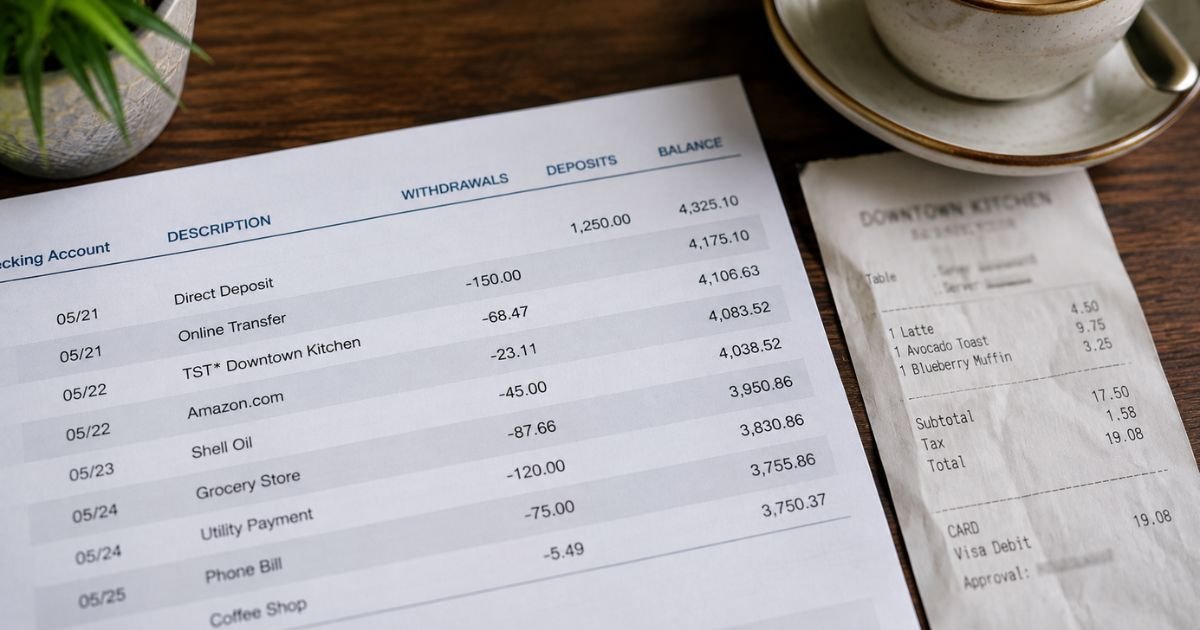
A TST charge on debit card or credit card can feel confusing if you don’t recall signing up for anything. Unfamiliar charges like this are often legitimate restaurant transactions.
This guide explains what the TST descriptor means, how to match it to a real purchase, and what steps to take if something still looks wrong.
Table of Contents
What Is a TST Charge on Your Credit Card?
A TST charge (often shown as TST*) is the merchant descriptor used by Toast, a widely used point-of-sale and payment system for restaurants, cafes, bars, and similar businesses.
When you pay with a debit or credit card at a place that runs Toast, the charge typically appears on your statement starting with TST* followed by part of the business name. The full amount usually includes your food, drinks, and any tip you added.
Toast processes the payment for the restaurant. You are not being billed by Toast itself for a separate fee. The charge reflects the purchase you made at that location.
These descriptors are common because card networks limit how many characters can appear on a statement. The TST* prefix helps identify the processor while still showing enough of the restaurant name.
How TST Charges Usually Appear
You will rarely see the letters TST alone. Typical formats look like these:
| Statement Descriptor Example | What It Usually Means |
|---|---|
| TST*HARBOR GRILL | Charge from Harbor Grill |
| TST*MAIN ST PIZZA | Charge from Main Street Pizza or similar |
| TST*COFFEEHOUSE | Local cafe or coffee shop using Toast |
| TST*LOCALRESTAURANT | Abbreviated restaurant name |
| TST* PG | Sometimes used for specific chains or locations |
The exact wording can vary slightly by bank or card issuer. Pending charges may later settle at a slightly different amount if a tip was added after the initial swipe.
Why These Charges Show Up
Most TST charges come from everyday dining. Restaurants choose Toast for order management, tableside payments, and online ordering.
You might see one after:
- Eating in at a Toast-equipped restaurant
- Ordering takeout or pickup
- Adding a tip on a paper slip or digital receipt
- Using the restaurant’s own online ordering system powered by Toast
Delivery apps such as DoorDash or Uber Eats generally post under their own names, not TST*.
Pre-authorization holds can also appear temporarily. These are usually small or pending amounts that adjust once the final total posts.
How to Identify the Restaurant Behind a TST Charge
Start with the details already on your statement.
- Note the exact date and dollar amount.
- Read the letters that follow TST*. That abbreviated name is your strongest clue.
- Think back to places you visited or ordered from around that date.
- Check your email or text messages. Toast often sends digital receipts if you gave an email or phone number at the register.
Match the amount (including tip) and date to a receipt or calendar entry. Most people recognize the charge once they see the partial restaurant name.
What to Do If You Still Don’t Recognize the Charge
First, double-check for tips, service charges, or a second visit the same day.
If the amount or location still does not match anything you recall:
- Contact the restaurant directly using the name on the statement. Ask for a copy of the receipt or transaction details.
- Review recent bank or card alerts and any shared family accounts.
- If you confirm it is unauthorized, contact your bank or card issuer right away to start a dispute.
For debit cards, federal rules under Regulation E generally give you a limited window to report unauthorized transfers.
Credit cards follow different timelines under the Fair Credit Billing Act. Your issuer can explain the exact process and any provisional credit that may apply.
Policies and timelines can vary by bank, so ask your issuer for the steps that apply to your account.
Is a TST Charge Legitimate?
In the large majority of cases, yes. Toast is a well-established restaurant technology company used by tens of thousands of locations across the United States. The TST* prefix is its standard registered descriptor.
That does not mean every individual charge is correct. Fraud can occur anywhere cards are accepted. Always verify dates and amounts that feel unfamiliar.
Merchant reviews of Toast itself (on sites such as BBB and Trustpilot) mostly come from restaurant owners discussing software and fees.
Those reviews do not change the fact that a TST* charge on a consumer statement is typically a normal dining transaction.
Common Questions About Amount Differences
Sometimes the final posted amount is higher than the total you remember. This usually happens when:
- A tip was added after the card was swiped
- A service charge or automatic gratuity applied
- A pending authorization later adjusted to the final total
Check any digital receipt for the breakdown. Contact the restaurant if the numbers still do not add up.
FAQs: TST Charge on Credit Card
Q. What does TST stand for on my debit or credit card statement?
A. TST typically stands for Toast, the point-of-sale system the restaurant used to process your payment. The restaurant name usually follows the TST* prefix.
Q. Is a TST charge a separate processing fee I have to pay?
A. No. The amount shown is generally the full purchase total from the restaurant, including any tip. The restaurant pays Toast’s processing fees separately.
Q. Can I get a refund for a TST charge?
A. Contact the restaurant first and request a refund or correction. If the charge is unauthorized, open a dispute with your bank or card issuer according to their process and timelines.
Q. Why doesn’t the full restaurant name appear?
A. Card networks limit statement descriptors to a short character count. Toast’s TST* prefix plus a shortened business name is the standard format, similar to how Square charges often start with SQ*.
Conclusion
A TST charge on debit card is almost always a legitimate restaurant transaction processed through Toast’s point-of-sale system. Look at the name after TST*, match the date and amount to a recent meal or order, and check for a digital receipt.
If the charge still does not make sense after those steps, reach out to the restaurant or your bank. Most of the time the mystery resolves once you connect the abbreviated name to a place you actually visited.
Disclaimer: This article is for informational purposes only and is not financial, legal, or professional advice. Policies, dispute rights, and statement descriptors can vary by bank, card issuer, and merchant. Always verify details with the restaurant or your financial institution for your specific account.
Meet the Author
