
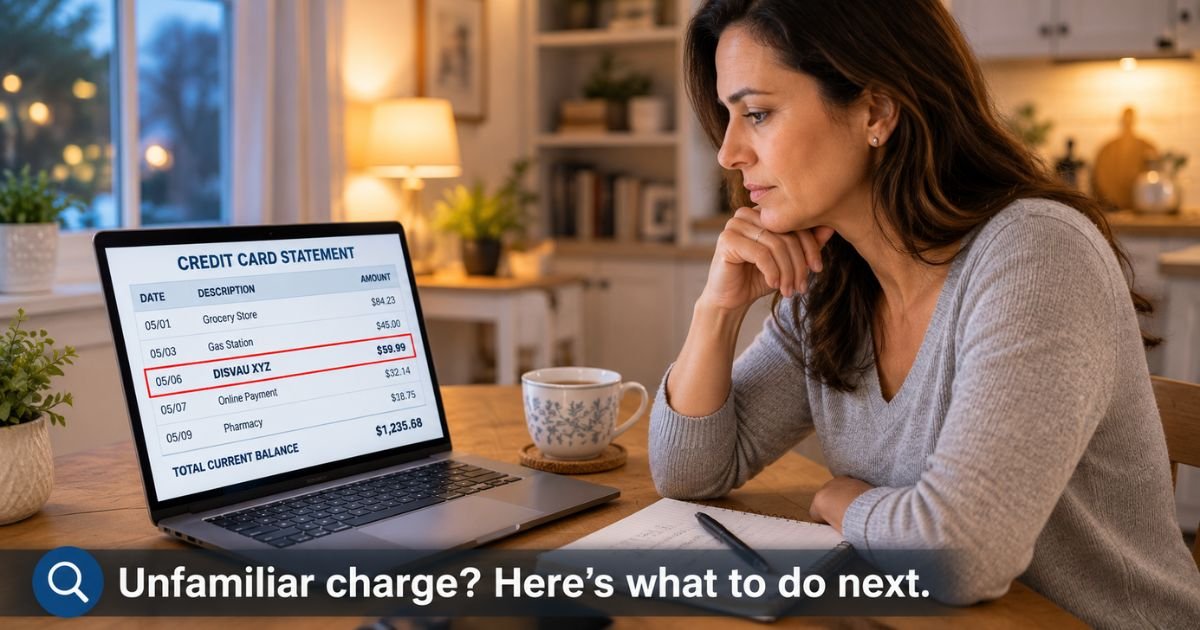
You open your latest credit card statement and notice a Disvau XYZ charge that you do not remember making. This kind of surprise can feel unsettling at first.
The good news is that most unfamiliar charges have straightforward explanations. The Disvau XYZ charge on credit card is a billing descriptor used by a company that processes payments for certain online services and subscriptions.
In the next few minutes you will learn exactly what this charge usually represents, how to check whether it belongs to you, and what steps to take next.
Many people resolve these situations quickly once they know where to look.
Table of Contents
What Is the Disvau XYZ Charge?
The Disvau XYZ charge typically appears when a merchant or service uses a third-party billing company or processor. The actual company behind the charge often operates under names connected to disvau.co or disvau.xyz.
These entities describe themselves as providing customer support and solutions for online services and subscriptions. On your statement the name may show up in abbreviated or slightly different form depending on your card issuer.
Billing descriptors frequently look nothing like the original website or app name you interacted with. That mismatch is one of the most common reasons people do not immediately recognize a charge.
Why Does This Charge Appear?
Several situations can trigger a Disvau XYZ charge:
- You signed up for a subscription service, digital product, or online tool and the billing name differs from the brand you remember.
- A free trial period ended and converted automatically into a paid subscription.
- Someone else with access to your card (family member, for example) made a purchase.
- The charge represents a one-time digital purchase such as software, media, or premium features.
- In some cases the charge may be unauthorized.
Merchant names on statements often vary by bank and processor. A quick review of your recent online activity usually clarifies which category applies to you.
Is the Charge Legitimate or Unauthorized?
Most Disvau XYZ charges turn out to be legitimate subscriptions that people simply forgot about. Others result from shared accounts or automatic renewals.
When you have no record of any signup and the charge repeats, it is reasonable to treat it as potentially unauthorized. Small test charges sometimes appear a few days before a larger recurring amount. These smaller authorizations can signal upcoming billing.
The key distinction comes down to your own records. If you find a confirmation email or remember the signup, the charge is almost certainly legitimate. If nothing matches, move quickly to protect your account.
How to Verify the Disvau XYZ Charge
Follow these steps in order:
- Search your email inbox and spam folder for messages containing “disvau”, “disvau.co”, or any confirmation or receipt.
- Check your recent online purchases, app store subscriptions, and digital accounts for anything that might connect to this billing name.
- Log into your credit card account online or through the mobile app and look for additional transaction details or merchant contact information.
- Review your physical or digital receipts from the past two months.
- If you still cannot identify the charge, contact your card issuer using the number on the back of your card and ask for more information about the merchant.
Pro Tip: Save every cancellation confirmation email and monitor your statement for at least two full billing cycles afterward. This habit catches any lingering charges before they become a larger problem.
How to Stop Future Disvau XYZ Charges
If you confirm the charge is a subscription you no longer want, start with the merchant. Visit disvau.co or any related site mentioned in confirmation emails and look for account or cancellation options.
When direct cancellation proves difficult or the charge feels unauthorized, contact your card issuer right away. Ask them to dispute the transaction and block future recurring charges from this merchant. Many issuers can place a stop on the specific billing descriptor.
In persistent cases, request a new card number. This prevents further charges while you resolve the issue with the merchant or through the dispute process.
Common Mistake: Disputing a charge with your bank before checking your own email and recent activity. A quick personal review often reveals a legitimate subscription and saves time for everyone involved.
What Should You Do If You Do Not Recognize the Charge?
Start by gathering your records as described above. Most people discover a forgotten signup or shared purchase once they look closely.
If nothing connects and the charge is recent, call your card issuer immediately. Explain that you do not recognize the transaction and request a dispute. Under the Fair Credit Billing Act you generally have strong protections for unauthorized charges.
Document every conversation with dates, times, and representative names. Keep copies of all emails and statements. Monitor your account daily for the next few weeks to confirm no new charges appear.
Bottom line: Verify the charge against your own records first. Most Disvau XYZ charges have ordinary explanations, but quick action with your card issuer protects you when the charge does not match anything you authorized.
Common Scenarios for a Disvau XYZ Charge
| Situation | Likely Explanation | Recommended Next Step |
|---|---|---|
| Recent online signup or free trial | Legitimate subscription that renewed | Log into the service and cancel if unused |
| No email or memory of any purchase | Possible unauthorized charge | Contact card issuer to dispute immediately |
| Shared family card or account | Someone else made the purchase | Ask household members, then verify with issuer |
| Recurring charge after small test auth | Automatic subscription or billing test | Dispute recurring portion and request block |
FAQs: Disvau XYZ Charge on Credit Card
Q. How do I cancel a Disvau XYZ subscription if I never signed up for anything?
A. Begin by searching your email for any confirmation from disvau.co or related addresses. If you find nothing, contact your card issuer immediately and dispute the charge as unauthorized. Request that they block future transactions from this billing descriptor while the dispute is investigated.
Q. Is the Disvau XYZ charge usually a scam or unauthorized transaction?
A. Many Disvau XYZ charges are legitimate subscriptions that appear under a different billing name than expected. However, a noticeable number of cardholders report charges they cannot trace to any signup. Treat unrecognized recurring charges as potentially unauthorized and verify them promptly through your records and card issuer.
Q. What happens if Disvau XYZ keeps charging my card after I disputed it?
A. Contact your card issuer again with your dispute reference number and ask them to escalate or place a permanent block on the merchant. You can also request a replacement card with a new number. Continue monitoring your statements closely and keep records of every interaction until the charges stop completely.
Conclusion
Finding an unfamiliar Disvau XYZ charge on credit card statement is frustrating but usually manageable. Start with a calm review of your email and recent activity. Most charges connect to a subscription or purchase once you look closely.
When the charge does not match anything you recognize, your card issuer is your best partner for stopping it quickly.
Take a few minutes today to check your latest statement and any pending transactions. Regular reviews like this catch issues early and keep your finances on track.
For more guides on puzzling charges and how to handle them, explore other articles here on ExplainCharges.com.
Disclaimer: The content on ExplainCharges.com is for informational and educational purposes only and does not constitute financial, legal, or professional advice. We are not affiliated with any companies or services mentioned. The information provided may not apply to your specific situation. If you suspect unauthorized charges or fraud, contact your bank or credit card issuer immediately. Always verify details directly with the source and consult a qualified professional if needed.
Meet the Author
