
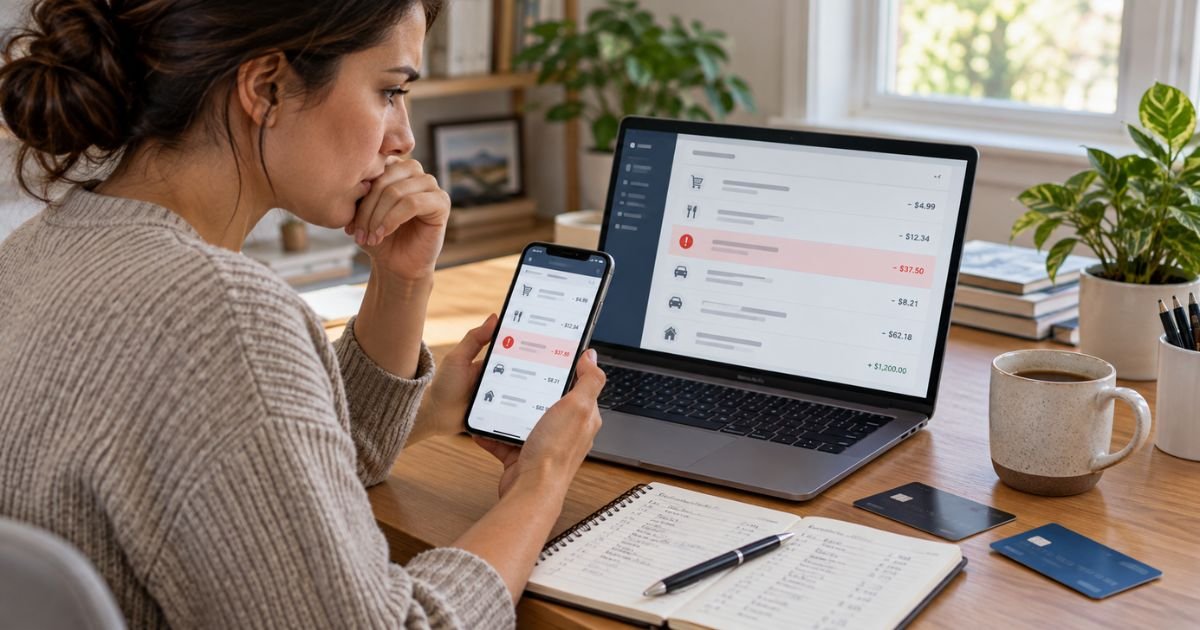
Learning how to request a bank charge reversal can feel confusing when a fee or transaction suddenly appears on your account. In many cases, you can ask the bank to review the charge and possibly return the money.
The right process depends on what you want reversed. You may simply need to request a courtesy fee refund, or you may need to open a formal dispute for an incorrect or unauthorized transaction.
Table of Contents
What Is a Bank Charge Reversal?
A bank charge reversal generally means money is credited back to your account after a fee, card transaction, withdrawal, or other charge is corrected or refunded. The reversal may come from your bank, card issuer, or merchant.
A reversal is not always the same as a chargeback. A chargeback generally refers to a formal card dispute, while a fee reversal may simply be a bank agreeing to refund a charge such as an overdraft fee.
Common Charges You May Ask to Reverse
You may want a reversal for several different reasons.
| Charge type | Typical reason for request | Best first step |
|---|---|---|
| Overdraft fee | First-time mistake or bank error | Ask bank for a fee reversal |
| Monthly service fee | Requirement was met or fee was unexpected | Review account terms |
| ATM fee | ATM error or promised reimbursement | Contact your bank |
| Duplicate transaction | Same purchase posted twice | Open a transaction dispute |
| Unauthorized charge | You did not approve it | Report immediately |
| Incorrect card charge | Wrong amount or merchant error | Contact merchant and issuer |
You should generally identify the exact problem before contacting your bank. Calling a valid fee “fraud” when you actually want a courtesy refund can complicate the process.
Ask for a Courtesy Fee Reversal
If the bank fee is valid but unusual for you, you can generally ask whether the bank will reverse it as a courtesy. Banks are not generally required to waive a correctly assessed fee just because you ask.
This approach may work for an overdraft fee, monthly maintenance fee, ATM charge, or another account fee. Your chances may depend on your bank’s policy and account history.
You can usually contact the bank through:
- The number on the back of your card.
- Secure messaging in the banking app.
- Online customer service.
- A local branch.
- The official customer service number on your statement.
Explain which fee you are asking about and why. Keep your request simple and factual.
Pro Tip: Ask directly whether the bank can provide a “courtesy fee reversal.” Consumer reports commonly show that some banks will waive an occasional fee, especially when the account otherwise has a good history, but approval is never guaranteed.
Check Whether the Bank Made an Error
A courtesy refund is different from correcting a bank mistake. If you believe the fee should never have been charged, explain why and provide any records that support your position.
For example, you may have met the balance requirement for a monthly fee waiver. You may also have been charged an overdraft fee that conflicts with your account’s overdraft settings.
For one-time debit card transactions and ATM withdrawals, a bank generally cannot charge an overdraft fee unless you opted into the institution’s overdraft service for those transactions. Different rules can apply to checks and recurring electronic payments.
Dispute an Unauthorized Debit Card Charge Quickly
If you did not make or approve a debit card transaction, do not treat it as a routine fee-refund request. Report it to your bank promptly.
Timing can affect your federal protections. If your debit card is lost or stolen, reporting the loss within two business days generally limits your possible responsibility for unauthorized transactions to $50 or less.
You should also review every bank statement. Certain unauthorized electronic transfers generally need to be reported within 60 days after the bank sends the statement showing them.
Your bank generally has 10 business days to investigate many covered electronic transfer errors. If more time is needed, temporary credit may be required in some cases while the investigation continues.
Dispute a Credit Card Charge
Credit card disputes generally follow different rules. You may dispute charges you did not authorize, duplicate charges, incorrect amounts, or certain purchases that were not delivered as agreed.
Call your issuer promptly when you notice the problem. To preserve federal billing-error protections, you should also generally send a written notice within 60 calendar days after the statement containing the error was sent.
Send the notice to the address listed for billing disputes, not the payment address. Keep a copy of your letter and supporting records.
The card company generally has 30 days to acknowledge a qualifying written dispute unless it resolves the issue sooner. It must generally complete the investigation within two billing cycles, with a maximum of 90 days.
Contact the Merchant When Appropriate
If you recognize the transaction but have a problem with the purchase, contacting the merchant may be the fastest solution.
This can help with:
- Duplicate charges.
- Missing refunds.
- Canceled orders.
- Incorrect amounts.
- Goods that never arrived.
- Services that were not provided.
The CFPB generally recommends contacting the seller first when you want a refund for a product or service. If the seller does not resolve the problem, you can then ask your credit card company whether the transaction qualifies for a dispute.
Do not let merchant conversations make you miss your card issuer’s deadline.
Gather Evidence Before You Call
You generally have a stronger request when you can clearly explain what happened.
Useful records may include:
- Bank or credit card statements.
- Transaction screenshots.
- Purchase receipts.
- Refund confirmations.
- Merchant emails.
- Cancellation notices.
- ATM receipts.
- Account terms showing a fee waiver.
- Dates and names from earlier customer service calls.
Write down the amount you want reversed. Also note when the transaction or fee first appeared.
Common Mistakes: Do not send original receipts if your bank asks for documentation. Keep the originals and generally provide copies or digital images.
What to Say When Requesting a Reversal
You do not need a complicated explanation. State the fee or transaction, the amount, the date, and why you believe it should be reversed.
If the fee was technically valid, you can explain that it was an unusual or first-time situation and ask whether a courtesy refund is available.
If the charge was incorrect, make that clear. Ask the representative whether you need to file a formal dispute instead of relying on a customer-service fee adjustment.
What If Your Bank Says No?
Ask why the request was denied. A bank may refuse a courtesy reversal even when another customer received one because fee-waiver policies can depend on account history and internal rules.
You can ask whether a supervisor or account specialist can review the request. Avoid repeatedly opening different disputes using different explanations.
If you are disputing an actual billing error, request the bank’s findings and follow its reconsideration or appeal process. Federal rules may give you additional rights depending on whether the transaction involved a credit card or electronic bank transfer.
If you cannot resolve a covered problem directly with the institution, you can generally submit a complaint to the Consumer Financial Protection Bureau.
How Long Does a Charge Reversal Take?
Timing depends on the type of reversal.
A simple courtesy fee credit may appear quickly after approval. A merchant refund can take several business days, depending on the merchant, bank, and payment network.
Formal disputes can take longer because the bank needs to investigate. Temporary credit shown during an investigation may not be permanent.
Check your account until you see the final credit. Save the case number until the matter is closed.
Can a Reversed Charge Come Back?
Yes. A temporary or provisional credit can sometimes be removed if the bank later determines that the original transaction was valid.
Your bank should generally notify you when it reverses provisional credit after an electronic-transfer investigation.
Do not assume temporary dispute money is permanently yours until the bank says the investigation is complete.
How to Avoid Future Bank Charges
Check your account alerts and balance regularly. Many banks let you turn on notifications for low balances, large transactions, ATM withdrawals, and card purchases.
Review the requirements for avoiding monthly service charges. You may need a minimum balance, qualifying direct deposit, or another activity.
If overdraft fees are a concern, review your overdraft settings. You may also compare accounts that offer low-balance alerts or do not charge certain overdraft fees.
FAQs: How to Request a Bank Charge Reversal
Q. Can you ask a bank to reverse an overdraft fee?
A. Yes. You can generally ask whether the bank will provide a courtesy reversal, particularly if the fee is unusual for your account. Approval depends on the bank’s policy and is not guaranteed.
Q. How do you reverse an unauthorized bank charge?
A. Report it to your bank or card issuer promptly and open the appropriate dispute. Debit card and electronic-transfer protections can depend on how quickly you report the unauthorized activity.
Q. How long does a bank charge reversal take?
A. A simple fee refund may appear quickly, while a card or electronic-transfer dispute can take several weeks. The timing generally depends on whether the bank is issuing a courtesy credit, merchant refund, or formal dispute credit.
Q. Can a bank refuse to reverse a charge?
A. Yes. A bank may refuse a valid fee-waiver request or determine after investigation that a disputed transaction was authorized. You can generally ask for the reason and review available escalation or complaint options.
Conclusion
Knowing how to request a bank charge reversal starts with identifying whether you are asking for a courtesy fee refund or disputing an actual error. Courtesy reversals are generally discretionary, while unauthorized and incorrect transactions may have specific federal dispute protections.
Contact your bank promptly, explain the problem clearly, and keep supporting records. If the bank denies a legitimate dispute, review its explanation and use the appropriate appeal or consumer complaint process.
Disclaimer: This article is for general informational purposes only and is not financial or legal advice. Bank fee, refund, dispute, and error-resolution policies may vary by issuer and transaction type, so verify account-specific questions with your bank or card issuer.
Meet the Author
