
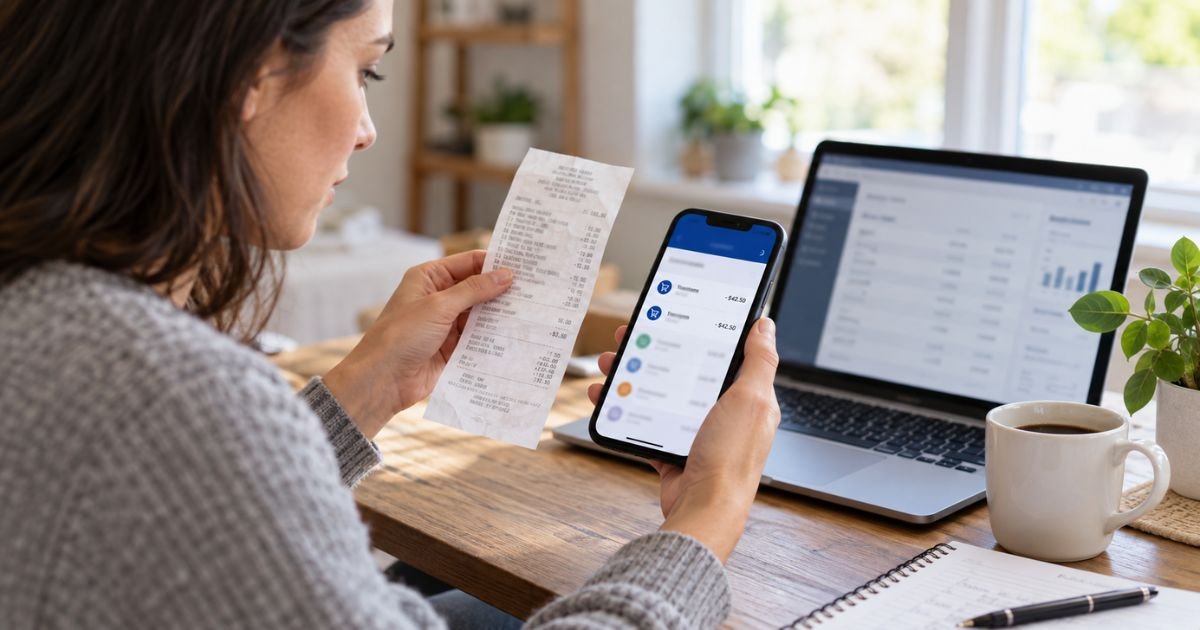
Two matching charges on the same day can feel confusing if you only remember tapping the card once. You might think the store billed you twice.
A double charge is often a pending hold sitting next to the real posted sale. It can also be a true duplicate after a terminal retry. This guide shows how to tell those apart and how to dispute a double charge with your bank.
Table of Contents
How to Dispute a Double Charge With Your Bank
A double charge means the same purchase appears more than once on your credit card, debit card, or checking account. The lines may match in merchant name, amount, and date.
Federal law treats a true duplicate as an error. For credit cards, the Fair Credit Billing Act (FCBA) covers being billed twice for the same thing.
For debit cards and many electronic withdrawals, Regulation E covers an incorrect electronic fund transfer. A second posted debit for one purchase generally fits that category.
Not every pair of matching lines is a finished error. One line may still be pending. That is an authorization hold, not a second payment that has fully left your account.
Check Pending Versus Posted First
Open the transaction in your app. Look for pending, authorized, processing, or posted.
A common pattern is one pending hold and one posted sale for the same visit. The merchant first asks your bank to reserve funds. Later it sends the final amount.
For a short window, both lines can show at once. The hold typically drops after the sale posts, often in a few business days.
You generally cannot finish a formal billing-error dispute while a line is only pending. Issuers typically wait until the charge posts.
Ask the merchant to void a live hold. Your bank usually cannot force that authorization to drop on demand.
Two posted lines with the same merchant, amount, and date are a different problem. Compare both to your receipt. If you made only one purchase, treat the extra posted line as a possible duplicate.
Pro Tip: Screenshot both lines, including dates, amounts, last four digits, and pending or posted status. Save the receipt. Those copies help the merchant refund faster and support a later bank dispute.
Try the Merchant Before You File With the Bank
A store refund is often faster than a bank investigation. Call or message the merchant the same day if you can.
Give the purchase time, last four card digits, both amounts, and any order number. Ask the merchant to void the extra hold or refund the extra posted sale.
Contacting the merchant does not pause your legal clocks. For a credit card, you still need a written billing-error notice that reaches the issuer within 60 days after the statement with the extra charge was sent.
For a debit error, notify your bank within 60 days after the statement showing the extra debit was sent.
If the merchant will not help, move to your bank.
How to Dispute a Double Charge on a Credit Card
Call the number on the back of the card or use the issuer’s app. Say you were charged twice for one purchase. Give the two dates, amounts, and merchant names.
Then send a written billing-error notice. CFPB and FTC both say writing protects your FCBA rights.
Use the billing-inquiry address on your statement, not the payment address. Many issuers accept an in-app dispute. FTC guidance still says to follow up with a letter.
Your notice should include:
- Your name and mailing address
- The account number
- The dollar amount of the extra charge
- The date of each matching line
- A short note that you made one purchase and were billed twice
- Copies of the receipt and screenshots, not originals
Send the letter so it reaches the issuer within 60 days after the first statement that showed the extra charge was sent. Certified mail with a return receipt gives you proof. The FTC publishes a sample letter at consumer.ftc.gov.
After the issuer gets a timely written notice, it generally has 30 days to acknowledge it, unless it already finished the review. It must resolve the dispute within two complete billing cycles after receiving the notice, and not later than 90 days.
While the review is open, you generally do not have to pay the disputed extra amount or related finance charges on that amount. You still need to pay the rest of the bill, including the purchase you recognize.
If the issuer agrees the extra charge is an error, it must remove it and related finance charges. If it says there was no error, it must explain in writing and tell you what you owe and when it is due.
How to Dispute a Double Charge on a Debit Card or Bank Account
A posted double debit from checking usually follows Regulation E, not the FCBA. Notify your bank as soon as you see the extra line.
An oral notice generally starts the investigation. The bank may ask you to confirm in writing within 10 business days.
The bank generally has 10 business days to investigate after it receives your error notice. That first window is often 20 business days if the account is fewer than 30 days old.
The bank must tell you the result within three business days after it finishes. If it finds an error, it generally must correct it within one business day.
If the bank needs more time, it can take up to 45 days in many cases, or 90 days for some point-of-sale debit purchases and certain foreign transfers. When it uses the longer clock, it generally must give you a temporary credit within the first 10 business days, or 20 on a new account. That credit can be reversed if the bank later finds no error.
What to Pay and What to Keep
Pay every charge you agree is yours. On a credit card, withhold only the extra posted amount and related finance charges on that amount. On a debit account, the extra money may already be gone until the bank credits it back.
Keep the receipt, screenshots of both lines, notes from the merchant call, a copy of your written notice, and the bank case number. Do not send original receipts.
Common Mistakes: Filing a dispute on a pending hold that later drops on its own. Missing the 60-day written credit-card deadline after only calling. Withholding your whole credit card bill instead of the extra line.
If Your Bank Denies the Dispute
Ask for the written explanation. Compare it with your two posted lines and your one receipt. If the bank says the lines are two separate sales, ask for different order numbers or authorization codes.
You can write again and say you still dispute the extra charge. For credit cards, FTC guidance has long advised writing that you still dispute within 10 days or within the payment window the issuer gave you, whichever is later.
You can submit a CFPB complaint at consumerfinance.gov/complaint or call (855) 411-2372. A complaint does not guarantee a refund.
FAQs: How to Dispute a Double Charge With Your Bank
Q. Is a pending charge plus a posted charge a double charge?
A. Usually not. That pair is often one authorization hold and one final sale. If both lines post and stay, treat the extra line as a possible duplicate.
Q. How long do I have to dispute a double charge with my bank?
A. For a credit card, send written notice so it arrives within 60 days after the statement with the extra charge was sent. For a debit error, notify your bank within 60 days after the statement showing the extra debit was sent.
Q. Can I dispute a double charge if I already paid it?
A. Yes. CFPB guidance says you can still dispute a credit card charge you already paid. You typically will not see the money back until the issuer agrees the extra line was an error.
Q. Should I call the merchant or the bank first?
A. Call the merchant first when you recognize the store and need a quick void or refund. File with your bank if the merchant will not help or the 60-day window is getting close.
Conclusion
How to dispute a double charge with your bank starts with a simple check. Confirm whether one line is still pending. Ask the merchant to reverse a true extra post.
Then use a timely credit card billing-error letter or a debit error notice so federal investigation rules apply. Keep copies, pay only what you agree you owe, and escalate to the CFPB if the extra line stays.
Disclaimer: This article is for general information only. It is not financial or legal advice. Dispute rights, clocks, and provisional credits vary by account type, issuer, and state. Verify account-specific questions with your bank or card issuer and review the billing-error notice on your statement.
Meet the Author
