
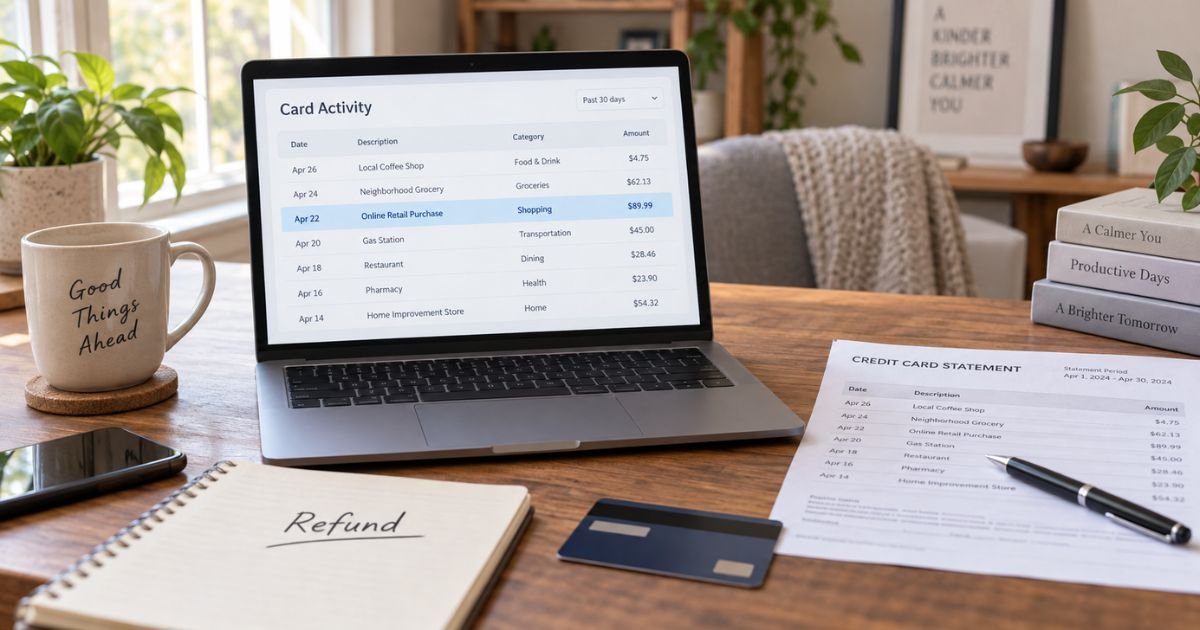
Learning how to reverse charges on a credit card can feel confusing if you don’t recall signing up for anything. The charge may be a real purchase with a strange name. It may also be a duplicate, a canceled order, or a charge you never allowed.
This guide walks through the usual paths. Start with the merchant when the sale is still pending or clearly yours. Use your card issuer when the charge has posted and the store will not fix it.
Table of Contents
How to reverse charges on a credit card
How to reverse charges on credit card depends on one fact. Has the charge posted yet?
A pending charge is only a hold. The merchant can often void it or release it. A posted charge is a settled sale. The store then issues a refund, or you ask your issuer to dispute it. People call that issuer step a chargeback. It is a formal review, not a same-day undo button.
“Reverse” is also an umbrella word. It can mean a void, a refund credit, a dispute credit, or the later take-back of a temporary credit. Read whether the new line lowers your balance or raises it.
Match the date and amount first. Household users, app stores, gas holds, and legal business names cause many false alarms.
Step 1: Decide pending or posted
Open live activity in your issuer app. Pending lines have not hit the statement balance yet. They still reduce available credit.
If it is pending and you know the store, contact that merchant the same day. Ask for a void or an authorization reversal. A void is meant to drop the hold. A refund after posting is a new credit and takes longer.
You generally cannot force the issuer to erase a pending merchant hold on its own. The store still owns that authorization. If the hold is fraud, call the issuer anyway and lock the card. You may still wait for the line to post before a full dispute starts.
Typical everyday holds clear or drop within a few business days. Hotels, rentals, and gas pumps can hold more and hold longer.
Step 2: Ask the merchant for a refund
Use the store first when you authorized the purchase and simply want your money back. Returns, canceled orders, wrong amounts, and duplicate swipes often end faster this way.
Have the receipt, order number, and last four card digits ready. Ask the merchant to credit the same card. Get a case number in writing or by email.
Refunds generally take several business days after the store processes them. You may see the original purchase and the credit on the same statement or the next one. A credit is not the same as deleting history. Both lines can remain.
If the merchant already issued a refund, wait before you also file a dispute for the same dollars. Two reversals on one sale can create a mess later.
Pro Tip: Screenshot the chat, email, or cancel confirmation before you hang up. That file is what your issuer will ask for if the promised refund never posts.
Step 3: File a dispute with your card issuer
Use the issuer when the charge posted and one of these is true:
- You did not authorize the purchase
- The amount or date is wrong
- You never received the goods or services as agreed
- A subscription billed you after you canceled
- The merchant will not refund a clear error
The Consumer Financial Protection Bureau says to call the card company and also send a written billing-error notice within 60 calendar days after the charge appeared on your statement.
After the issuer gets that notice, it generally has 30 days to confirm receipt unless it already finished the required steps. It then generally has two billing cycles, and no more than 90 days, to resolve the issue.
Send the notice to the billing-inquiries address on the statement, not the payment address. Include your name, account number, the date and amount, the merchant name as it prints, and why the charge is wrong. Keep copies. The FTC publishes a sample dispute letter you can adapt.
Many issuers let you start the claim in the app. Do that, then still save written confirmation. The written notice is what starts the federal clock.
You generally do not have to pay the disputed amount or related finance charges while a valid billing-error review is open. You still need to pay the rest of the bill on time.
If the charge is unauthorized use of a credit card, federal law generally caps what you owe at $50 for charges before you notify the issuer.
The CFPB says you generally owe nothing if only the account number was stolen and the physical card was not. Many issuers advertise $0 liability policies. Report anyway so new charges stop.
How long a reversal usually takes
Timing depends on the path you use.
| Path | Who starts it | What you typically see | Usual timing |
|---|---|---|---|
| Void or authorization reversal | Merchant | Pending hold disappears | Hours to a few business days |
| Merchant refund | Merchant | Separate credit line | Several business days after the store processes it |
| Issuer dispute or chargeback | You, through the issuer | Temporary credit, then a final decision | Up to two billing cycles, and no more than 90 days after a valid written notice |
| Temporary-credit reversal | Issuer | Earlier credit is taken back | After the investigation ends |
A temporary credit can look like a win. It is a placeholder. If the issuer later sides with the merchant, that credit can come off. The take-back can look like a new charge even though it is only an adjustment.
Pending charges that vanish are not always refunds. The merchant may still submit the final sale a few days later. Watch the account until the hold either posts or stays gone.
What usually will not reverse the easy way
Some payments are hard to pull back even when you regret them.
A person-to-person send you approved is often treated as authorized. Cards used to fund some wallet sends can also be harder than a store purchase. Cash-like items such as cash advances and convenience checks follow different issuer rules.
If you gave a family member the card, the issuer may treat those purchases as authorized until you revoke that permission. Call the issuer and remove that access if you want a clean break.
Buyer’s remorse on a posted sale is not automatically a billing error. Start with the store’s return policy. Use the issuer when the product never arrived, was not as described, or the merchant will not follow its own written terms.
Closing the credit card does not reverse an old charge and does not cancel a subscription by itself. Cancel the membership with the merchant, then dispute leftover bills.
Common Mistakes: Asking the bank to void a pending hold the merchant still owns. Disputing a charge the same day the store already refunded it. Paying only the unauthorized line and missing the undisputed minimum. Waiting past 60 days after the statement date to put the problem in writing.
How to keep the reversal from bouncing back
Give the issuer a clean story. One charge, one reason, and proof.
Useful proof includes:
- Order confirmation or receipt
- Cancel or return confirmation
- Chat or email with the merchant
- Tracking that shows no delivery
- A list of charges you did not allow
Ask whether the case is coded as fraud or as a merchant dispute. Fraud claims usually come with a card lock and a new number. Merchant disputes keep the card open and focus on that one sale.
If the issuer denies the claim, it generally must explain why in writing and tell you what you owe and when. You can write back that you still dispute the amount. You can also submit a complaint to the CFPB at consumerfinance.gov.
FAQs: How to Reverse Charges on a Credit Card
Q. Can I reverse a charge the same day I notice it?
A. Sometimes. If the line is still pending, the merchant can often void it the same day. If it has posted, you are usually looking at a refund or an issuer dispute. Those take days or weeks, not minutes. Lock the card the same day if the charge is not yours.
Q. Is a chargeback the only way to reverse charges on a credit card?
A. No. A merchant void or refund is often faster and simpler. A chargeback is the issuer forcing a review after the sale posted. Use it when the store will not help, the goods never arrived as agreed, or the charge was unauthorized.
Q. Do I still pay my bill while a reversal is pending?
A. Pay every undisputed amount on time. You generally may withhold the specific amount you disputed, plus related finance charges, during a valid billing-error review. Skipping the rest of the bill can add late fees that have nothing to do with the original charge.
Q. What if the merchant already said the charge was reversed?
A. Check pending and posted activity for a matching credit. If no credit appears after several business days, send the merchant’s written promise to your issuer with a billing-error notice. Ask the issuer to treat the missing refund as the error, not to create a second refund on top of one that later posts.
Conclusion
How to reverse charges on a credit card is a two-track job. Pending holds usually need the merchant. Posted problems need a store refund or a written issuer dispute within 60 days of the statement that showed the charge.
Call to lock the card if the purchase was not yours. Keep paying the rest of the bill. Save every confirmation. That order gives you the best shot at a clean reversal without a surprise take-back later.
Disclaimer: This article is for general information only. It is not financial or legal advice. Refund speed, void rules, and dispute tools vary by merchant and issuer. Confirm account-specific questions with the merchant on the charge, your card issuer, or official CFPB resources.
Meet the Author
