
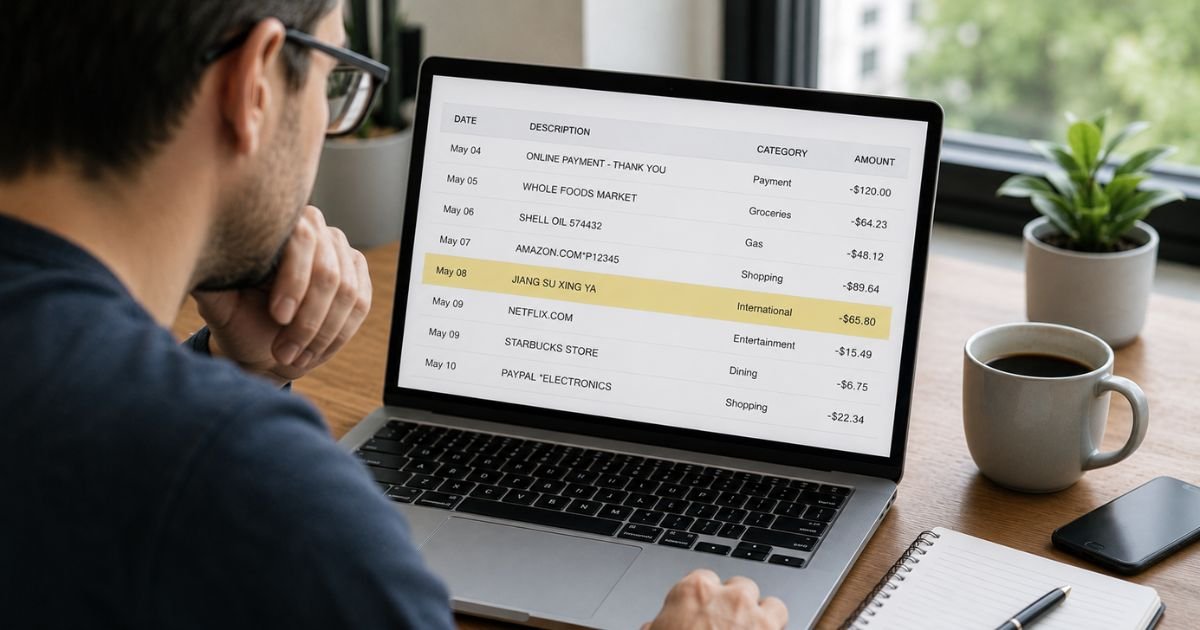
Finding a Jiang Su Xing Ya charge on bank statement can look unfamiliar, especially if the name is written in a shortened or transliterated form.
This guide explains what the charge typically means, why it appears, and the practical steps to verify, dispute, or prevent similar surprises.
Table of Contents
What Is the Jiang Su Xing Ya Charge?
“Jiang Su Xing Ya” (also appearing as JIANGSU XINGYA, JIANG SU XING YA, XING YA, or similar variations) is a merchant descriptor linked to companies in Jiangsu, China.
Several businesses use versions of this name, including manufacturers of marine valves, plastic packaging films, nails, and other industrial or wholesale products.
On a U.S. bank or credit card statement, the name is often shortened or formatted by the payment processor or card network.
These charges commonly appear for:
- Online purchases from Chinese suppliers
- Orders placed through platforms such as Alibaba, Made-in-China, or similar B2B/B2C marketplaces
- Direct payments to Chinese exporters
- Wholesale or business-related imports
The transaction is usually processed in a foreign currency (often Chinese yuan or U.S. dollars) and may include a foreign-transaction fee from your bank.
Why Did This Charge Appear?
Common reasons include:
- You or your company ordered goods from a Jiangsu-based supplier.
- An online marketplace routed the payment through a Chinese merchant account using this descriptor.
- A family member or authorized user on the account made an international purchase.
- A pending authorization or currency-conversion hold later posted as a final charge.
- A duplicate or delayed billing from a previous order.
- In some cases, the charge is unauthorized.
Because Chinese merchant names are frequently abbreviated on U.S. statements, the descriptor may not match the brand or storefront name you remember seeing online.
How to Verify the Charge
Follow these steps:
- Copy the exact descriptor, amount, date, and currency (if shown).
- Search your email (including spam) for order confirmations, invoices, or shipping notices that match the amount and approximate date. Look for references to Alibaba, Made-in-China, or Chinese suppliers.
- Check any marketplace accounts, purchase histories, or business procurement records.
- Ask authorized users of the card or account whether they placed an international order.
- Contact your bank and request expanded merchant details, including the full merchant name, country, and any available contact information.
- Review whether a foreign-transaction fee was added, which often accompanies these charges.
Matching the amount and date to an order confirmation is the strongest verification.
Is It Legitimate or Fraud?
Most Jiang Su Xing Ya charges are legitimate international merchant transactions, especially if you or your business recently ordered products from China.
Warning signs that suggest possible unauthorized activity:
- No matching order confirmation, invoice, or shipping record.
- No one with access to the account recognizes the purchase.
- Multiple similar charges appear in a short period.
- The bank cannot provide useful merchant details.
- You have not shopped on any Chinese platforms or placed related orders.
If the charge remains unexplained after checking, treat it as potentially unauthorized.
How to Cancel
These charges are almost always one-time purchases rather than recurring subscriptions.
If you need to stop a related order or payment:
- Contact the seller or marketplace support using any order number or account login you have.
- Request cancellation of any pending shipment or open order.
- Ask for written confirmation.
- Monitor your statement for additional attempts.
If the merchant remains unidentified, ask your bank whether they can block future charges from this descriptor.
Can You Get a Refund?
Refund eligibility depends on the seller’s policy and the marketplace rules (if the purchase was made through one).
- Contact the merchant or platform first with your order details and reason for the request.
- Provide the transaction date, amount, and any order or invoice number.
- Ask for written confirmation and a timeline.
- If the seller does not respond or the charge was unauthorized, open a dispute with your bank or credit card issuer.
Credit cards generally offer stronger dispute rights for unauthorized or undelivered goods than debit cards.
Act within the time limits set by your issuer (often 60 days from the statement date for credit cards).
What to Do If the Charge Is Unauthorized
- Contact your bank or credit card issuer immediately and report the charge as unauthorized.
- Request a formal dispute or fraud claim and ask about a temporary credit.
- Ask the bank to note the merchant descriptor and block future charges if possible.
- Consider freezing or replacing the card if you believe the number has been compromised.
- Document every reference number, date, and conversation.
- Monitor the account closely for additional activity.
- You may also report suspected fraud to the Federal Trade Commission at ReportFraud.FTC.gov, though this does not reverse the charge itself.
Report promptly. Faster action usually improves your protection under U.S. credit and debit card rules.
Prevention Tips
- Turn on real-time transaction alerts for every account.
- Review pending and posted charges at least weekly.
- Keep all order confirmations and invoices for international purchases.
- Use a dedicated card for overseas or marketplace shopping when possible.
- Prefer platforms with clear buyer protection when ordering from Chinese suppliers.
- Watch for foreign-transaction fees and currency-conversion differences.
- Ask authorized users to notify you of any international orders.
- Periodically search your email for recent marketplace or supplier confirmations.
Common Situations and Next Steps
| Situation | Likely Meaning | Best First Step |
|---|---|---|
| Matches an Alibaba or supplier order | Legitimate international purchase | Confirm delivery or contact seller |
| No matching order or email | Possibly unauthorized | Report to bank immediately |
| Includes foreign-transaction fee | Normal for Chinese merchant charges | Verify the underlying purchase |
| Multiple similar charges | Repeated orders or possible issue | Review all recent activity closely |
FAQs: Jiang Su Xing Ya Charge on Bank Statement
Q. What is a Jiang Su Xing Ya charge on my bank statement?
A. It is typically a transaction with a Chinese company based in Jiangsu province, often a manufacturer or exporter of industrial or wholesale goods. The name appears in abbreviated form on many U.S. statements.
Q. Why does the name look so different from the store I used?
A. Chinese merchant names are frequently shortened, transliterated, or replaced by the payment processor’s descriptor when they appear on U.S. bank statements.
Q. Can I get a refund for a Jiang Su Xing Ya charge?
A. Contact the original seller or marketplace first. If the goods were not received or the charge was unauthorized, dispute it with your bank or credit card issuer.
Q. Is this charge a scam?
A. Many such charges are legitimate international purchases. However, if you have no matching order and no one recognizes the transaction, report it to your bank as unauthorized right away.
Conclusion
A Jiang Su Xing Ya charge on bank statement most often reflects a purchase from a Chinese supplier or manufacturer in Jiangsu province.
Start by matching the amount and date to any order confirmations or marketplace records. If nothing lines up, contact your bank promptly to dispute the charge and protect your account.
Keeping clear records of international orders and enabling transaction alerts are the best ways to handle these unfamiliar descriptors with confidence.
Disclaimer: This article is for informational purposes only and is not financial or legal advice. Merchant descriptors and policies can change. Always confirm details directly with your bank or credit card issuer.
Meet the Author
