
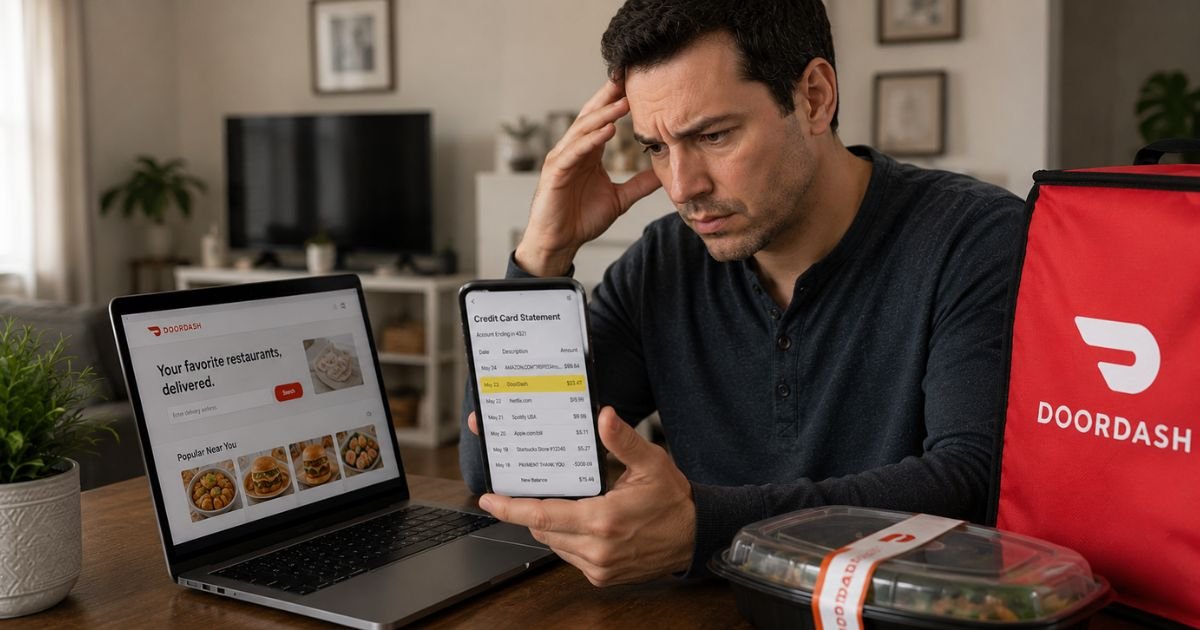
If you spotted a charge that includes “303 2nd Street San Francisco” or a similar charge on credit card statement, it can feel confusing at first.
Many people do not immediately recognize the address as a company headquarters. This article explains what the charge means, why it appears, and the practical steps to verify or resolve it.
Table of Contents
What Is the 303 2nd Street San Francisco Charge?
DoorDash, Inc. is a major food and grocery delivery platform. Their corporate headquarters is at 303 2nd Street, South Tower, 8th Floor, San Francisco, California 94107.
Payment processors often list the company’s headquarters address on credit card statements, which is why you see “303 2nd Street San Francisco” or “BILL*DoorDash, Inc.” as the descriptor.
The charge typically represents payment for a food or grocery delivery order, a DashPass subscription, or related fees.
It is almost always tied to actual activity on the DoorDash platform rather than a random or fraudulent transaction.
Why Did This Charge Appear on Your Credit Card?
Several common reasons explain the 303 2nd Street San Francisco charge:
- You or a household member placed a food or grocery delivery order through the DoorDash app or website.
- A DashPass subscription renewed automatically.
- Multiple small orders or adjustments created several charges around the same time.
- A family member, roommate, or authorized user on the card used the DoorDash account.
- The charge includes delivery fees, service fees, or a tip added during checkout.
- An authorization hold posted while the order was being processed.
These charges are usually one-time per order, though DashPass creates recurring monthly billing. People sometimes forget about orders placed during busy periods or by other household members.
How to Verify the Charge
Use this checklist to confirm the source:
- Open the DoorDash app or website and review your order history for matching dates and amounts.
- Check your email (including spam) for receipts or order confirmations from DoorDash.
- Ask other people in your household if they placed any delivery orders recently.
- Look at the exact amount and match it to typical DoorDash orders including fees and tips.
- Review your saved payment methods in the DoorDash account to see which card was used.
- If nothing matches, contact your credit card issuer for additional merchant details.
Most people quickly identify the order once they check the DoorDash app history.
Is It Legitimate or Fraud?
The 303 2nd Street San Francisco charge is legitimate in the overwhelming majority of cases. It reflects real activity on the DoorDash platform, one of the largest delivery services in the United States.
Common legitimate scenarios include forgetting about a recent delivery order, a family member using the account, or multiple small orders adding up on the statement.
Warning signs of potential problems include no record of any DoorDash orders, charges that continue without new deliveries, or amounts that seem much higher than typical orders.
If these apply, investigate or dispute the charge promptly.
How to Cancel
One-time delivery orders do not require cancellation. If the charge comes from a DashPass subscription:
- Open the DoorDash app and go to your account settings.
- Navigate to DashPass or Subscriptions and follow the prompts to cancel.
- Confirm the cancellation and save any confirmation email or screenshot.
DashPass can usually be canceled at any time, though you may retain access until the end of the current billing period. Keep records of your cancellation request.
Can You Get a Refund?
Refund options depend on the situation. If there was an issue with an order (missing items, late delivery, or quality problems), contact DoorDash support directly through the app. They often issue credits or refunds for legitimate complaints.
For DashPass, refunds are generally not provided for past months after cancellation. If you believe a charge was made in error or without authorization, you can dispute it with your credit card issuer. Provide evidence from the DoorDash app or order history to support your claim.
What to Do If the Charge Is Unauthorized
If you determine the 303 2nd Street San Francisco charge was not made by you or anyone authorized on the account:
- Contact your credit card issuer immediately to dispute the charge and request they block future transactions from DoorDash.
- Ask about receiving a new card number if you suspect your card details were used without permission.
- Log into your DoorDash account, review recent activity, and remove any unauthorized payment methods or users.
- Monitor your statements and online banking closely for additional unfamiliar activity.
- Consider enabling purchase notifications or spending limits on delivery apps if children or others share access.
- Keep detailed records of every communication for your dispute.
Quick action helps protect your account and limits liability.
Prevention Tips
Avoid surprise DoorDash charges with these habits:
- Turn on real-time transaction alerts so every charge notifies you immediately.
- Review the DoorDash app order history regularly, especially after busy periods or travel.
- Use a virtual card number or dedicated card with spending limits for food delivery apps.
- Talk with household members about using the shared card for deliveries.
- Review saved payment methods in the DoorDash account and remove any you no longer need.
- Cancel DashPass promptly if you decide you no longer use it.
- Double-check order totals including fees and tips before confirming.
- Set up parental controls or purchase approvals on shared devices if needed.
- Keep DoorDash confirmation emails organized so you can easily match charges.
Common Billing Descriptor Variations
| Billing Descriptor | Typical Meaning |
|---|---|
| 303 2nd Street San Francisco | DoorDash headquarters address on statement |
| BILL*DoorDash, Inc. | DoorDash order or DashPass subscription |
| DoorDash | Shortened descriptor for food or grocery delivery |
FAQs: 303 2nd Street San Francisco Charge on Credit Card
Q. What does the 303 2nd Street San Francisco charge mean on my credit card statement?
A. It usually represents payment for a food or grocery delivery order placed through DoorDash, whose headquarters is at that address. It can also come from a DashPass subscription or related fees.
Q. How do I cancel DashPass or stop recurring DoorDash charges?
A. Open the DoorDash app, go to your account settings, and cancel DashPass under subscriptions. One-time orders do not require cancellation.
Q. Can I get a refund for a DoorDash charge?
A. Yes in many cases. Contact DoorDash support through the app for order issues. For unauthorized or disputed charges, dispute them directly with your credit card issuer.
Q. Is the 303 2nd Street San Francisco charge legitimate or fraud?
A. It is legitimate in most cases when it matches actual DoorDash orders or a DashPass subscription. Many families see these charges from shared accounts or multiple deliveries.
Conclusion
The 303 2nd Street San Francisco charge on credit card is typically a normal payment for a DoorDash food or grocery delivery or a DashPass subscription.
Checking the DoorDash app order history and recent emails usually confirms the source right away.
Cancel DashPass through the app if you no longer want the recurring charge. Request refunds or credits through DoorDash support for order issues, or dispute with your credit card issuer if the charge does not match any activity.
Using transaction alerts and reviewing app history regularly helps prevent these charges from becoming surprises.
Disclaimer: This article provides general information for educational purposes only and is not financial, legal, or professional advice. DoorDash policies and billing practices can change. Always verify details through the DoorDash app or with your credit card issuer for your specific situation. For disputes or account issues, contact your financial institution promptly.
Meet the Author
